Source Luxurious Non Hotfix Nail Rhinestones for Garments, Bags, Shoes
Compare 30 listings of luxurious non hotfix nail rhinestones featuring flatback designs, various sizes from SS4 to SS40, and strong durable glue options. Buyers can evaluate specifications including 16 facets, 6A quality grades, and eco-friendly materials for use in nail art, garments, and shoe decoration.
Key considerations
Products List


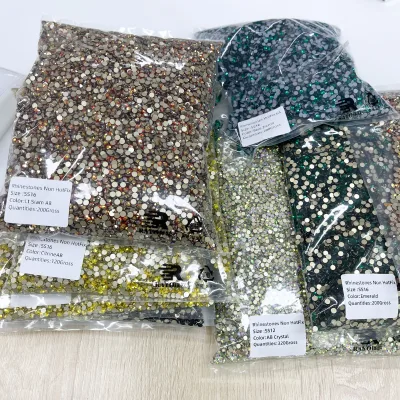


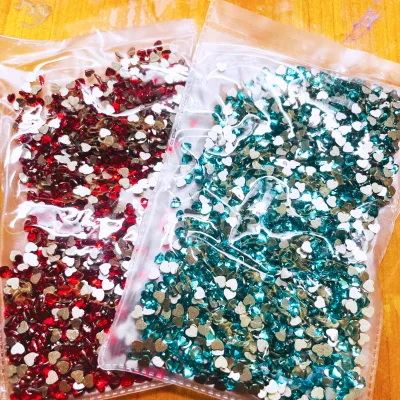
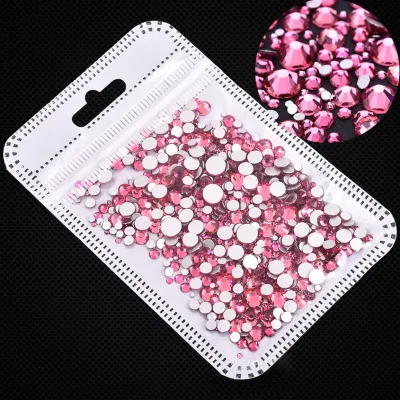
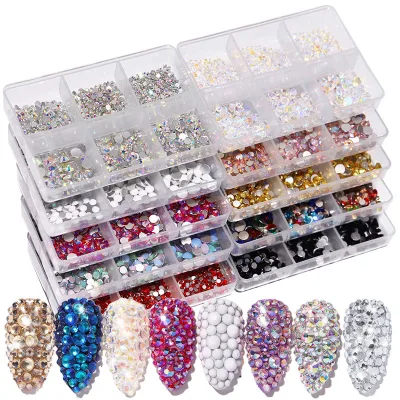


Comprehensive Sourcing Guide
Strategic Sourcing Guide for Luxurious Non Hotfix Nail Rhinestones
The global market for decorative embellishments has seen a surge in demand for high-end, versatile accessories that cater to the fashion, footwear, and personal care industries. Among these, luxurious non hotfix nail rhinestones have emerged as a critical component for designers seeking to add intricate detail without the constraints of heat-activated adhesives. Sourcing these specific items requires a nuanced understanding of material properties, technical specifications, and supply chain logistics. This guide provides a comprehensive framework for procurement professionals to evaluate suppliers, verify product quality, and negotiate terms that align with the rigorous demands of luxury branding and mass-market application alike.
Technical Specifications and Material Composition
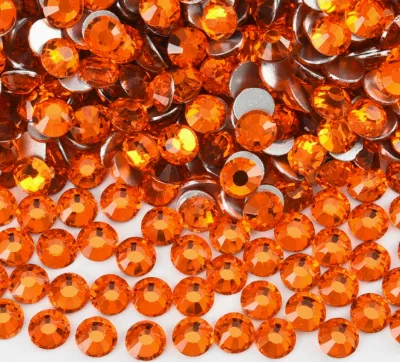
When evaluating non hotfix rhinestones, the primary focus must be on the material composition and the precision of the cut. The core product category identified in current market listings is glass-based, specifically noted as "Glass Rhinestones" or "Crystal Non Hot Fix." These materials are distinct from acrylic or plastic alternatives, offering superior refractive properties that define the "luxurious" quality buyers seek. The optical clarity and brilliance are directly tied to the facet count and the cutting technique employed during manufacturing.
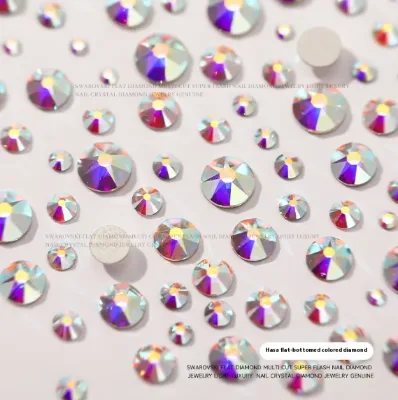
High-quality non hotfix rhinestones typically feature a specific cut structure designed to maximize light reflection. Data from current listings indicates a standard configuration of 16 facets, often described as a combination of 8 large and 8 small facets. This geometry is crucial for creating the "extremely shiny" appearance required for nail art and high-fashion garments. The size range is equally critical for procurement planning. The market offers a broad spectrum of dimensions, ranging from SS4 up to SS40, with specific standard sizes including SS6, SS8, SS10, SS12, SS16, SS20, SS30, and SS34. Buyers must verify that the supplier can consistently deliver these specific size gradations, as the "luxurious" aesthetic often relies on a mix of sizes to create depth and texture in the final design.
Furthermore, the shape and style are standardized for this category. The predominant form is "Round" with a "Flatback" design. This flatback configuration is essential for the intended application, as it allows the stones to sit flush against the surface of nails, shoes, or fabric without protruding, ensuring comfort and durability. The absence of a hot-fix coating means the back of the stone is smooth, requiring the buyer to source compatible adhesives separately or ensure the supplier provides a specific glue solution. Some listings mention a "Strong Durable Glue" as a feature, but this often refers to the adhesive applied by the end-user or a specific pre-applied layer that does not require heat activation.
Compliance, Certification, and Quality Grading
In the B2B procurement of decorative accessories, verifying quality grades and compliance standards is non-negotiable. The supply chain for rhinestones often involves complex manufacturing processes in regions like Guangdong, China, where a significant portion of global production is concentrated. Buyers must demand clear documentation regarding the quality grade of the crystals. Current market observations highlight a "6A Grade" classification for non hotfix rhinestones, which serves as a benchmark for clarity, color consistency, and lack of internal inclusions. This grading system is a key differentiator between standard commercial grade and the "luxurious" tier required for high-end nail art and fashion applications.
While some background information suggests the existence of ISO9001 or ISO14001 certifications, these should not be assumed as standard for every listing. Instead, procurement teams must explicitly request proof of such certifications from potential suppliers. The presence of SGS (Société Générale de Surveillance) testing is another critical verification point. If a supplier claims their product meets SGS standards, the buyer must request the specific test report to confirm that the materials are free from harmful substances like lead or cadmium, which is particularly important for products used in nail art and close contact with skin.
Additionally, the "Eco-Friendly" feature is increasingly relevant in modern sourcing strategies. Buyers should inquire about the environmental impact of the manufacturing process and the recyclability of the packaging. The packaging itself, often described as "Envelope Bag" or "OPP Bag," should be evaluated for its sustainability profile. While the product origin is listed as Guangdong, China, the specific factory location and their adherence to local environmental regulations should be part of the due diligence process.
Cost Drivers and Pricing Dynamics
Understanding the cost structure of non hotfix rhinestones is vital for budgeting and margin analysis. The observed price range in the market is extensive, spanning from $0.02 to $26.00 per unit or batch, depending heavily on the volume, size, and quality grade. Several factors drive these price variations. The primary driver is the size of the stone; larger stones (e.g., SS30, SS34) naturally command higher prices due to the greater volume of raw material required. Secondly, the facet count and the precision of the cut influence the manufacturing cost, with 16-facet cuts generally being more expensive than simpler cuts due to the labor-intensive polishing process.
The quality grade is another significant cost determinant. A 6A grade stone will be priced higher than a lower-grade alternative due to the stricter quality control measures required to ensure optical perfection. Furthermore, the packaging method plays a role in the final cost. Bulk packaging, such as "10 gross" per batch, may offer a lower unit cost compared to smaller retail-ready packs. Buyers must also consider the Minimum Order Quantity (MOQ) as a cost driver. While some suppliers offer an MOQ of just 1 bag, others may require a minimum of 10 bags. Ordering above the MOQ threshold often unlocks better pricing tiers, but it also increases inventory holding costs.
The following table outlines the key variables that influence the final procurement cost:
| Cost Variable | Impact on Price | Verification Requirement |
|---|---|---|
| Stone Size (SS4-SS40) | Larger sizes increase cost significantly | Confirm exact size availability and pricing tiers |
| Quality Grade (6A vs. Standard) | Higher grades command premium pricing | Request sample verification of clarity and cut |
| Facet Count (10-16) | More facets increase manufacturing time | Verify facet geometry in product samples |
| MOQ Thresholds | Higher volumes reduce unit cost | Negotiate MOQ based on forecasted demand |
| Packaging Type | Custom or eco-friendly packaging adds cost | Review packaging specifications and waste |
Typical Applications and Market Fit
The versatility of non hotfix rhinestones makes them suitable for a diverse range of applications beyond just nail art. While the core keyword emphasizes "nail rhinestones," the product specifications indicate a broader utility. These stones are widely used in garment decoration, shoe embellishment, bag accessories, and general craft projects. The "Flatback" design ensures they adhere well to various substrates, including fabric, leather, and hard surfaces, provided the correct adhesive is used.
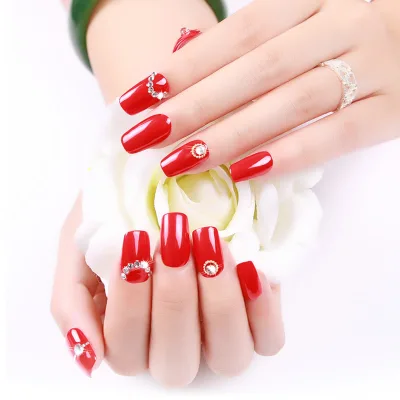
For the nail art industry specifically, the non hotfix nature of these stones offers a distinct advantage. Unlike hot-fix stones that require a heat gun to activate the adhesive, non hotfix stones allow for precise placement and repositioning before the adhesive sets. This is crucial for intricate nail designs where alignment is paramount. The "Glass Nail Rhinestones" are particularly popular for creating high-gloss, luxurious finishes on manicures. Additionally, the application extends to phone cases, jeans, and other personal accessories, making them a staple for DIY enthusiasts and professional designers alike.
The "Usage" data confirms that these products are intended for "Garments, Shoes, Bags, Nail Art, Decoration." This broad applicability means that a single supplier can serve multiple market segments, reducing the need for fragmented sourcing. However, buyers must ensure that the supplier understands the specific requirements of each application. For instance, stones intended for nail art may require smaller sizes (SS6-SS12) and higher clarity, while those for garments might prioritize larger sizes and durability against washing.
Supplier Evaluation and Logistics
Selecting the right supplier involves more than just comparing prices; it requires a holistic evaluation of their operational capabilities. The supply chain for these products is often centered in Guangdong, China, a hub known for its manufacturing efficiency. Buyers should verify the "Place of Origin" and ensure it matches the claimed location, as this impacts shipping times and costs. The delivery time is typically listed as "Around 3~5 Days Upon Quantity," which suggests a relatively fast turnaround for standard orders. However, this lead time should be validated with the specific supplier, as it can vary based on stock availability and order volume.
Shipping and payment terms are critical components of the supplier evaluation. Common shipping methods include DHL, UPS, FedEx, and TNT, which offer reliable international delivery. Buyers should confirm which carriers are available and negotiate rates based on their volume. Payment methods typically include Bank Transfer (T/T), PayPal, and Western Union. While these are standard, buyers should establish clear payment terms, such as a deposit and balance structure, to mitigate financial risk.
The "7 days sample order lead time" is a significant feature for buyers who need to test product quality before committing to large orders. This capability allows for a "test and learn" approach, ensuring that the 6A grade and 16-facet specifications meet the buyer's standards. Additionally, the "Gross weight per batch" of 1.0 kg and package size of 5x5x5 cm are important for logistics planning, particularly for air freight where weight and volume directly impact shipping costs.
Quality Control and Long-Term Procurement
Implementing a robust quality control (QC) protocol is essential for maintaining the integrity of the supply chain. Given the observed range of quality grades, buyers must establish a clear acceptance criteria for the 6A grade rhinestones. This includes visual inspection for clarity, checking the facet count to ensure it matches the 16-facet specification, and verifying the flatback consistency. The "Strong Durable Glue" feature, if applicable, should be tested for adhesion strength and longevity under various conditions.
For long-term procurement, building a relationship with a reliable supplier is key. The ability to customize the product, as indicated by the "Customization: Available" attribute, is a valuable asset. Buyers should explore options for custom packaging, specific size mixes, or even branding on the packaging to enhance their product line. The "Supply" attribute mentions "Kingswick Rhinestone Appliques," which may indicate a specific brand or manufacturer line, but buyers should not rely on this name as a guarantee of quality without independent verification.
Finally, buyers should monitor the market for changes in standards and certifications. While ISO9001 and ISO14001 are mentioned in background data, they should not be assumed. Instead, buyers should proactively request these certifications as part of their supplier onboarding process. By maintaining a disciplined approach to specification verification, cost analysis, and supplier evaluation, procurement teams can secure a steady supply of luxurious non hotfix nail rhinestones that meet the highest standards of quality and performance. This strategic approach ensures that the final products delivered to the market are not only visually stunning but also reliable and compliant with international trade standards.
FAQs
What material are the luxurious non hotfix nail rhinestones made of?
The stones are made of glass or crystal non hot fix material. This composition ensures superior refractive properties and an extremely shiny appearance suitable for high-end nail art and decoration applications.
How many facets do these rhinestones typically have?
These rhinestones typically feature 16 facets, often arranged as 8 big and 8 small facets. This specific cut geometry maximizes light reflection to achieve the luxurious shine required for professional designs.
Which sizes are available for the flat back rhinestones?
Available sizes range from SS4 up to SS40, including specific options like SS6, SS8, SS10, and SS34. Buyers can select from this broad spectrum to match different design needs for nails or garments.
Can I order samples before committing to a large purchase?
Yes, sample orders are supported with a lead time of around 7 days. This allows buyers to verify the 6A quality grade and 16-facet cut before proceeding with bulk procurement from the supplier.
What is the minimum order quantity for these rhinestones?
The minimum order quantity varies by supplier, with options ranging from 1 bag to 10 bags. Some listings specify 10 bags as a standard threshold, while others allow smaller trial orders of just one bag.
Where are these glass rhinestones manufactured and shipped from?
These products originate from Guangdong, China, where the manufacturing facilities are located. Shipping is handled via major carriers like DHL, UPS, FedEx, or TNT with a typical delivery time of 3 to 5 days.